Image credit: ShutterstockMalaysia is one of the most famous spots for travellers who love the sand and the sea. While it’s best known for the pearl-white sand beaches of Langkawi and the majestic peak of Mount Kinabalu, the nation is also home to another exciting landscape feature that draws adventure seekers and nature lovers alike — its caves. From the world-renowned Batu Caves to the Sarawak Chamber of Gunung Mulu National Park (the largest cave chamber in the world), get in touch with your inner spelunker while exploring the magnificent caves in Malaysia.
These massive networks of interconnected systems enthral tourists with stunning arrangements of limestone stalagmites and stalactites sculpted over millennia. Caves in Malaysia are also home to the most unique flora and fauna, and some are even archaeological sites. Remnants of the prehistoric era have been discovered in Malaysian caves, like the ‘Perak Man’ (Southeast Asia’s oldest, most complete human skeleton) in Gua Gunung Runtuh of Lenggong Valley, and they have managed to preserve centuries of ancient history, local culture and native wildlife within their walls. They are truly fascinating sights as the caves manage to entwine the beauty of natural marvels and the cultural heritage of their surroundings.
Here are some of the best caves to explore in Malaysia:
Batu Caves
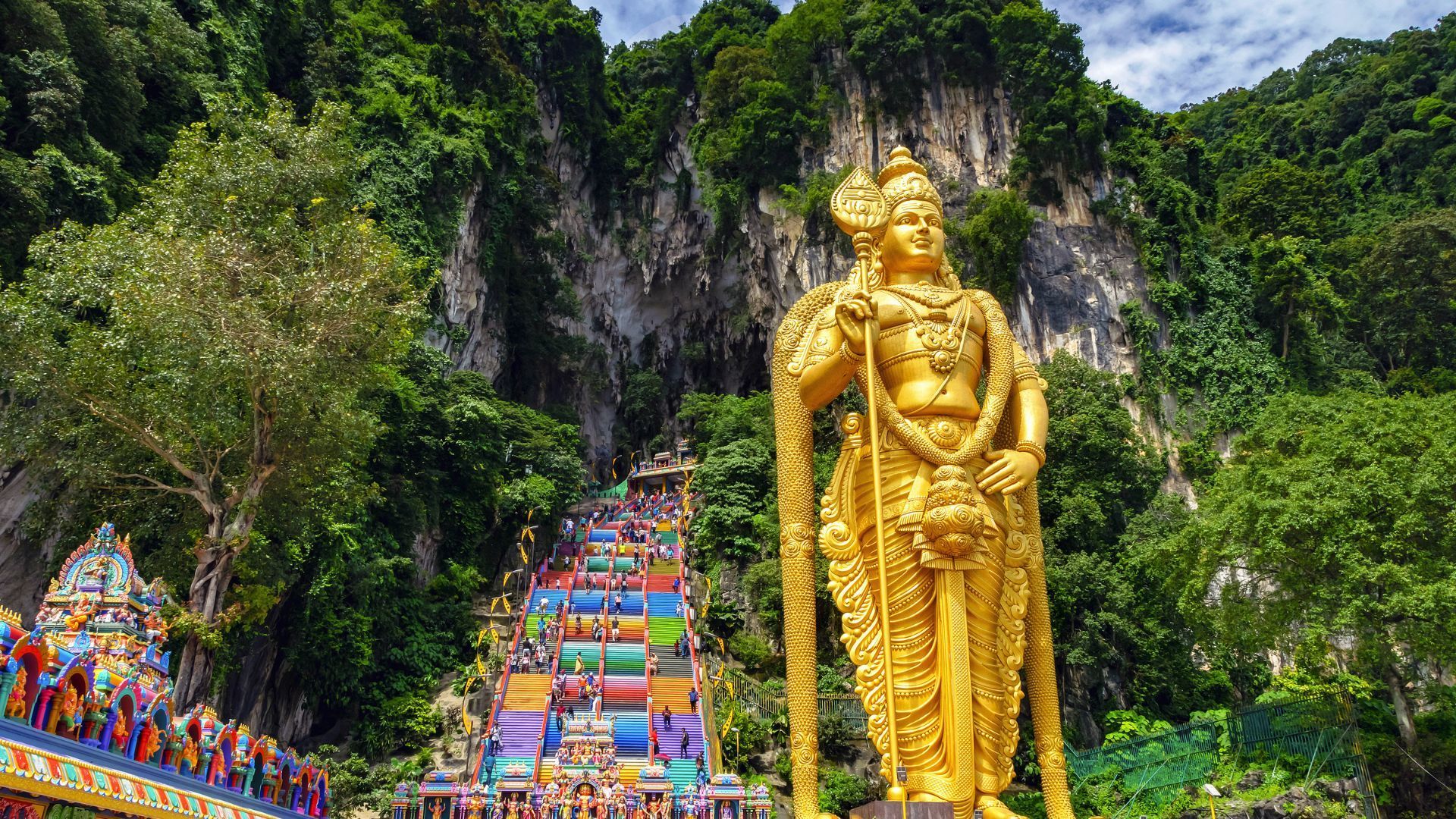
Image credit: ShutterstockThese world-famous caves are located in Gombak, in the State of Selangor. One of the most iconic tourist attractions in Malaysia, Batu Caves showcases mogote topography, which is a limestone outcrop and includes a series of caves and cave temples.
With over 20 caves forming part of the Batu Caves, the biggest cave, the Temple Cave or Cathedral Cave, is dedicated to Lord Murugan and is a famous pilgrimage site for Tamil Hindus. You need to be dressed appropriately to visit this cave temple.
Besides it, the Dark Cave, Ramayana Cave and Cave Villa are significant sites, with tourists flocking here to see the beautiful paintings of the Ramayana Cave and Cave Villa, as well as the unique flora and fauna of the Dark Cave. The Dark Cave has two areas — one that houses rare plant species (around 269 types) and the other part of the cave that is engulfed in pitch darkness.
However, the most iconic aspect of the Batu Caves is a steep flight of 272 steps that leads to the entrance of Sri Subramaniar Swamy Temple, from where you get a breathtaking view of the grand, golden statue of Lord Murugan, towering at 140 feet (around 42.6 metres), and the surrounding areas. Learn more with our detailed guide to Batu Caves.
Tickets: Entry to the Cave Temple is free, but other caves, like the Ramayana Cave (RM 4.4/USD 0.95) and the Dark Cave (RM 35/USD 7), have an entrance fee.
How to reachBy air: Sultan Abdul Aziz Shah Airport is 25 km away.
Byroad: The caves are 6 km from Gombok and 17 km from Kuala Lumpur city centre.
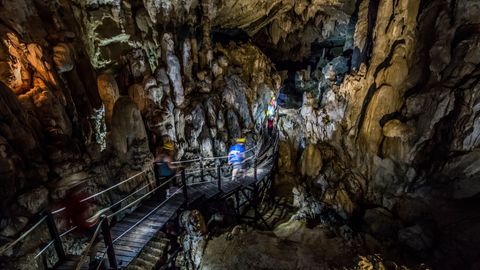
Image credit: ShutterstockOne of the four UNESCO Heritage Sites of Malaysia, Gunung Mulu National Park is home to some of the most stunning caves in the country. Located in Borneo Island’s Sarawak, the national park stands out for a 2,376 metre-tall sandstone structure called Gunung Mulu and other karst features sprawling across the Malaysian state. For the uninitiated, karst is a special type of landform that is created when bedrock dissolves. It is associated with soluble rock types, including limestone, gypsum and marble.
Tickets: The park has curated tour packages that take people on a guided journey. These packages require you to stay for at least a night or even longer. The price of the tour packages starts from RM 500 (USD 107).
How to reach: The only way to reach Gunung Mulu National Park is by flying directly to Mulu Airport, situated within the park. Miri Airport, Kuching International Airport and Kota Kinabalu International Airport have daily direct flights to Mulu Airport.
The Sarawak Chamber
Named the largest single cave chamber in the world by the Guinness World Records, the Sarawak Chamber is part of 295 km of explored caves in Gunung Mulu National Park. This cave stretches 600 metres in length, 415 metres in width and 80 metres in height. The only way to visit the Sarawak Chamber is through one-night camps organised by the park. However, this is an extreme adventure activity open only to people who are certified cave explorers and experienced swimmers. The cave has a volume of 12 million cubic metres and an unsupported roof of 300 metres.
Clearwater Cave
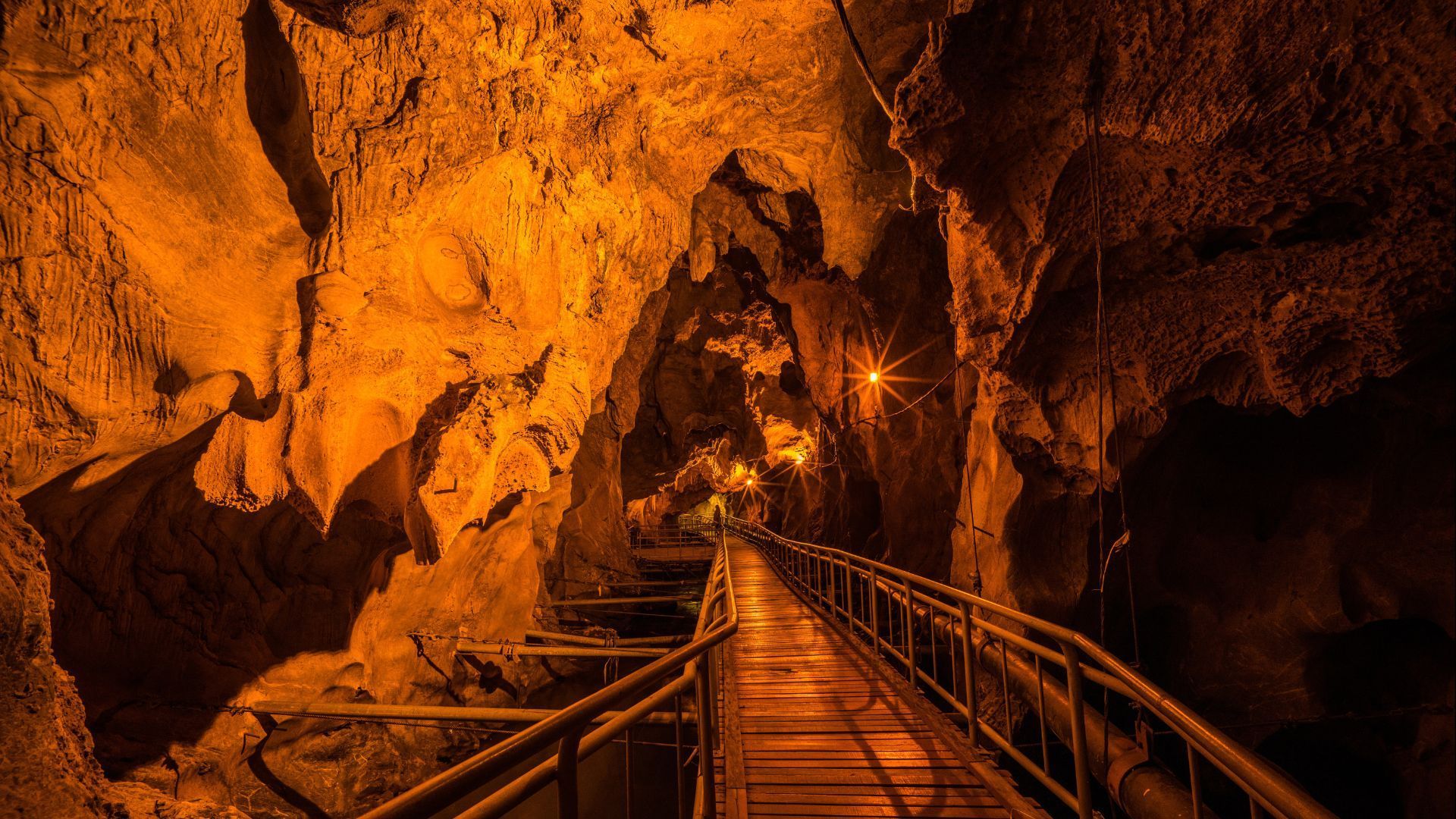
The park’s official website states that Gunung Mulu National Park is also home to the longest cave in Asia. Also known as Gua Air Jernih, the 107-km-long cave stands as a testament to Malaysia’s natural beauty. After navigating 200 steps through dense forest, trekkers reach the entrance of the cave, encompassing an underground river, plank walks, pathways and floating bridges.
The Wind Cave is also part of the Clearwater Cave System and has beautiful stalactites, stalagmites, flow rocks, helictites and rock corals. Travellers can explore these caves through guided tours.
Deer Cave
Past plank walks, peat swamps, alluvial flats, an ancient burial site and limestone formations lie the Deer Cave. One of the largest cave chambers in the world, it serves as a place for deer to shelter in. This is how it got its name — the local Penan and Berawan people call it Gua Payau or Gua Rasu (which translates into Deer Cave). Several bat species can be found inside the cave, with over a million of these animals residing here.
The main chamber is 174 metres wide and 122 metres high. A formation at its entrance shares a distinct similarity to the silhouette of the late US President Abraham Lincoln’s face, which can be easily spotted on guided tours. Another interesting feature of the cave is the Garden of Eden, a hole in the roof of the cave where green vegetation thrives.
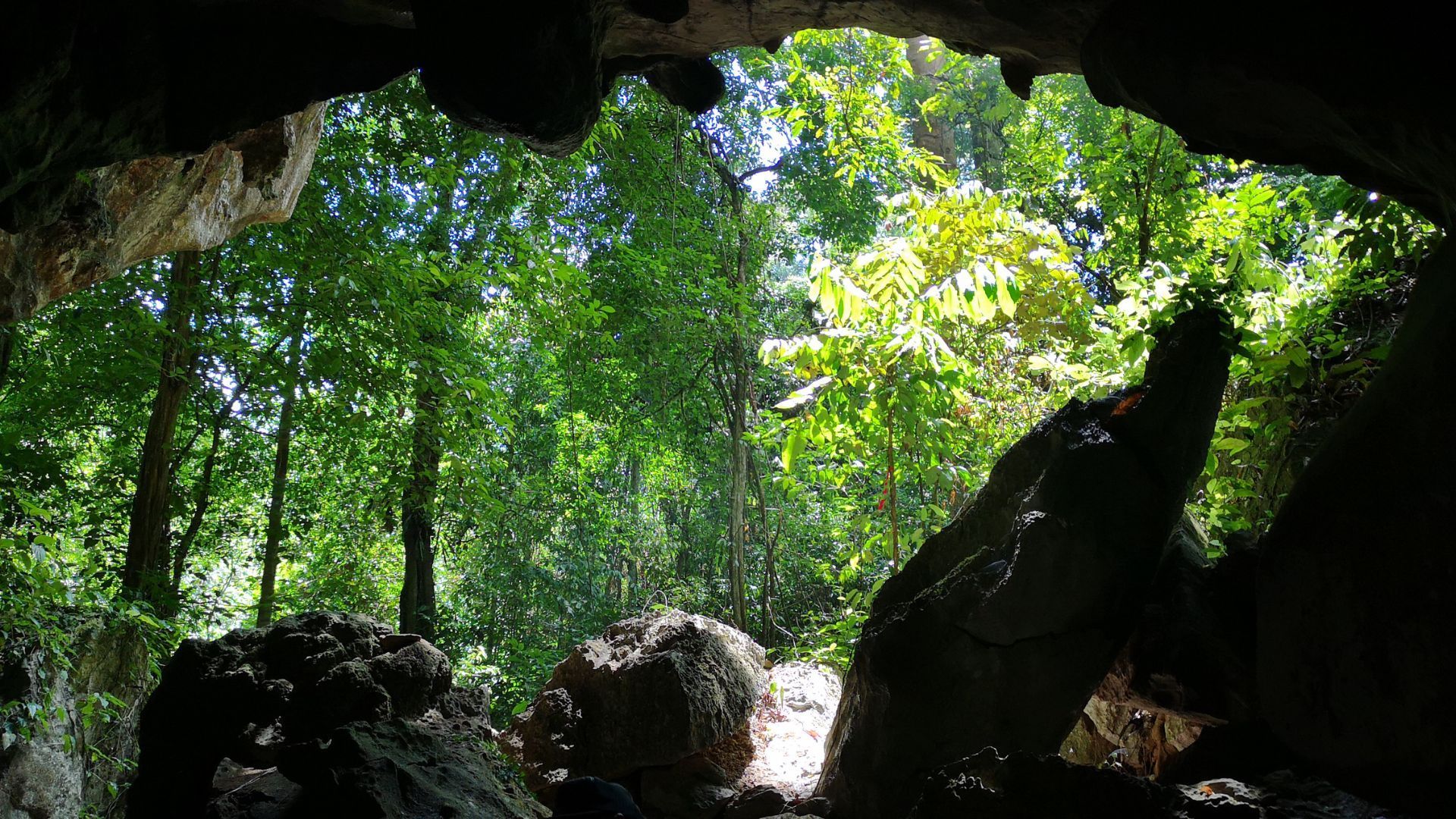
Image credit: ShutterstockAnother cave to visit in Malaysia is found on Borneo Island, but this one is in Sabah’’s Kunak region. The Madai Cave is situated in the Madai-Baturong Forest Reserve. This limestone cave has archaeological and cultural significance and is home to swiftlets whose nests are considered an expensive delicacy. The local Ida’an community are the guardians of the cave and live right outside it, often going back and forth to the cave to harvest the nests. Traces of human inhabitation and ancient coffins can be found inside the cave, making it necessary for visitors to be accompanied by a guide. Travellers can find a guide through either the locals or a travel agent before planning a visit.
How to reachBy air: Tawau Airport is 65 km away.
By road: Kunak is 16 km away.
Gua Gunung Runtuh
Image credit: ShutterstockOne of the important archaeological sites of Malaysia, Gua Gunung Runtuh makes the Lenggong Valley in Perak a UNESCO World Heritage Site. While this cave is not as big as the others on this list, it holds great historical significance. It is the excavation site of the ‘Perak Man’, the oldest and most complete human skeleton found in Southeast Asia. However, visiting the Gua Gunung Runtuh caves is not easy, as it is not a proper tourist destination. Visitors need to get a permit and a guide from the Lenggong Archeological Museum.
How to reachBy air: Penang International Airport is 140 km from the Lenggong Valley.
By road: Ipoh is 75 km away.
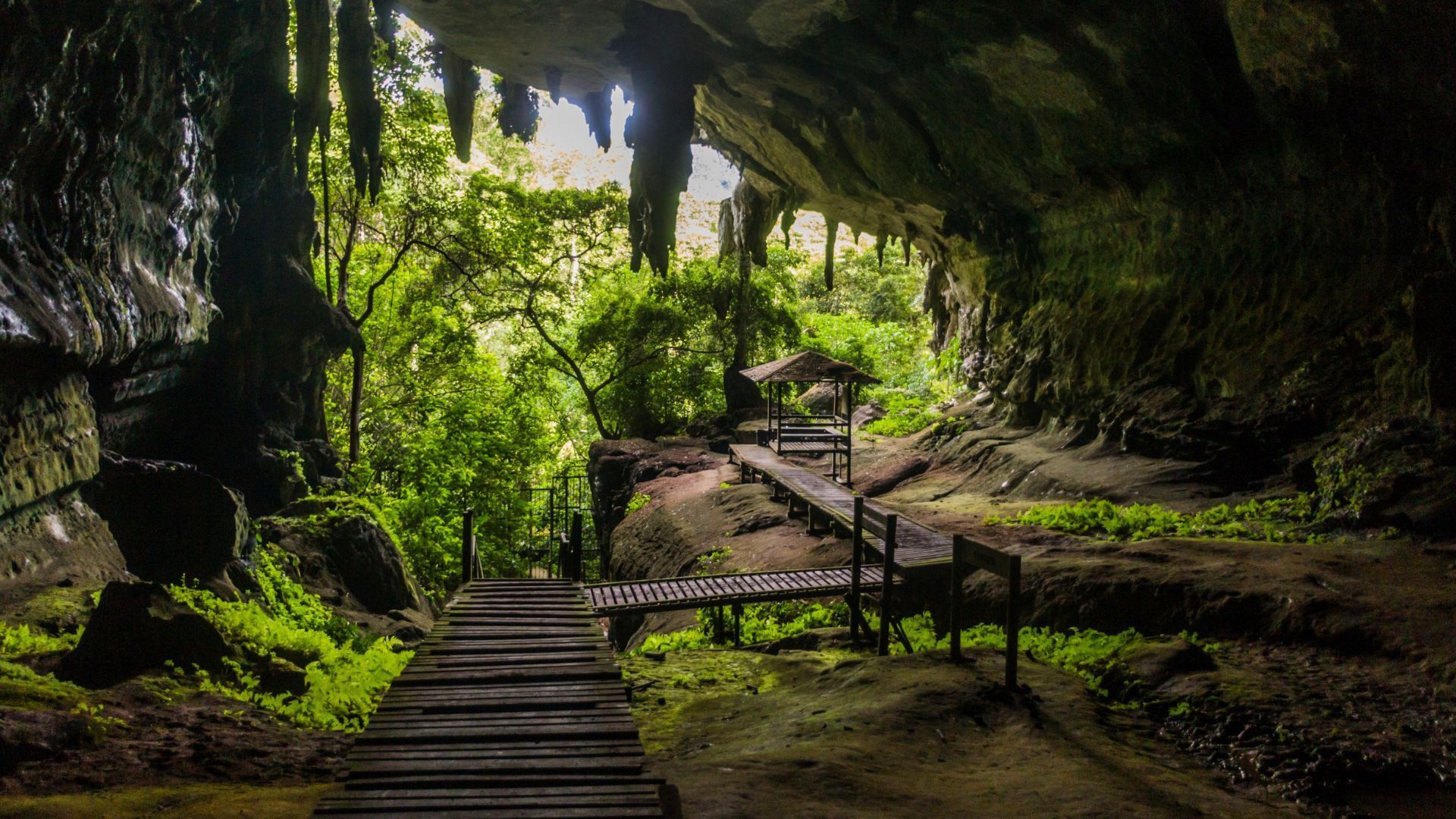
Image credit: ShutterstockPart of UNESCO World Heritage Sites’ tentative list, the Niah Caves are an important archaeological site in the country. Located in Miri, Sarawak, these caves have been credited for preserving vital historical relics, such as wall paintings, boat-shaped wooden coffins and a 40,000-year-old Palaeolithic human skull. Besides these discoveries, the cave complex is also known for its intricate cave networks, limestone hills and lowland dipterocarp forests. Visitors won’t need a guide for these caves; the authorities have created routes they can follow.
Tickets: Starting from RM 10 (USD 2) for adults and RM 3 (USD 0.64) for children.
How to reachBy air: Miri Airport is 87 km away.
By road: Miri is 95 km away.
Perak Tong Cave Temple
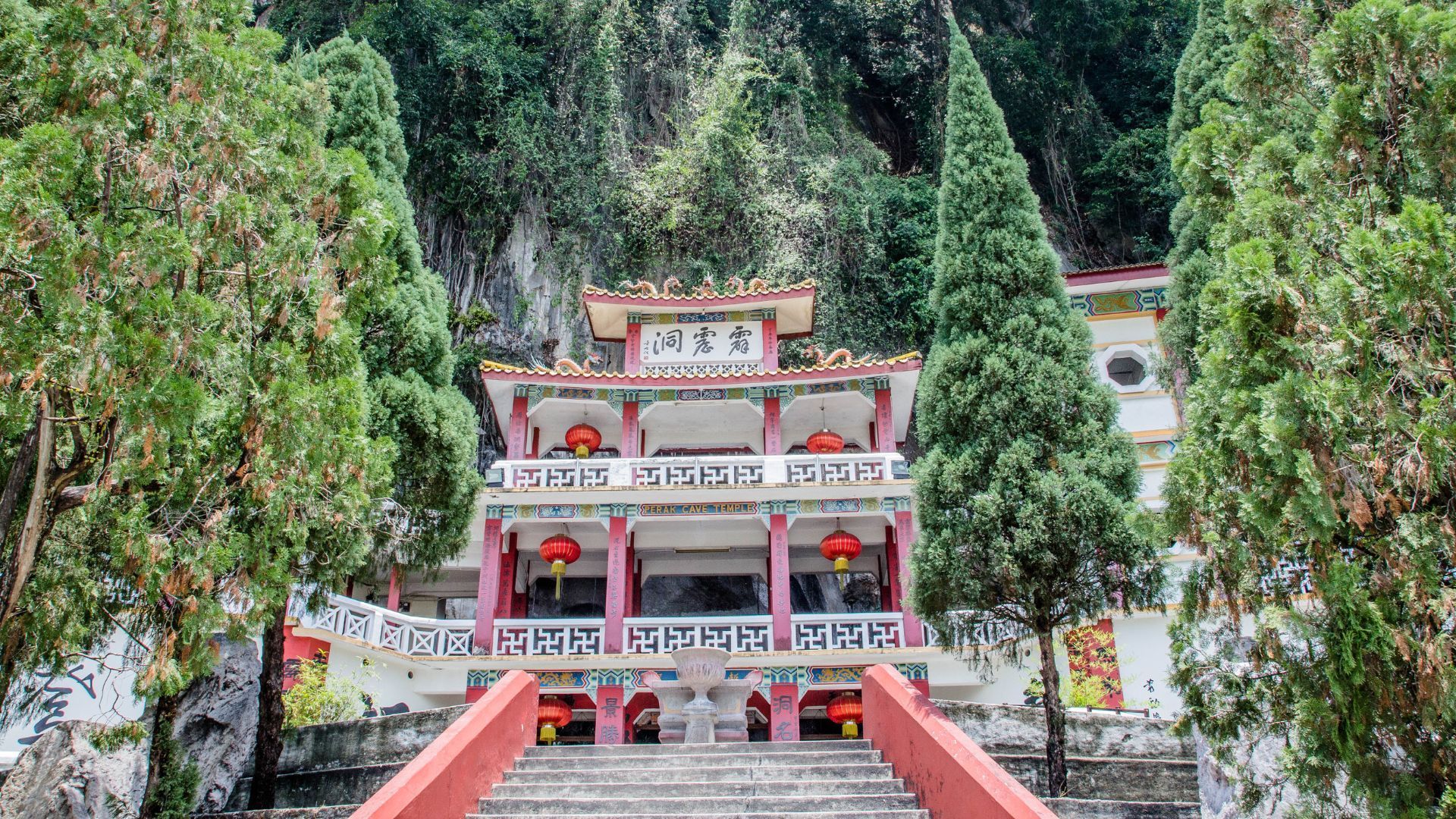
Image credit: ShutterstockA popular pilgrimage site and tourist attraction around the city of Ipoh, Perak Tong Cave Temple has a grand 40-ft-tall Buddha statue sitting at its centre. The limestone cave has a high dome that branches off into hidden recesses and grottoes. The temple cave’s wall is adorned with beautiful murals depicting scenes from Chinese mythology and Buddhist scriptures. This cave is easy to visit, and people of all ages can come here. However, one must be dressed appropriately as it is a religious site.
Ticket: Entry to the temple is free.
How to reachBy air: Sultan Azlan Shah Airport is 13 km away.
By road: The cave is 6 km from Ipoh city centre.
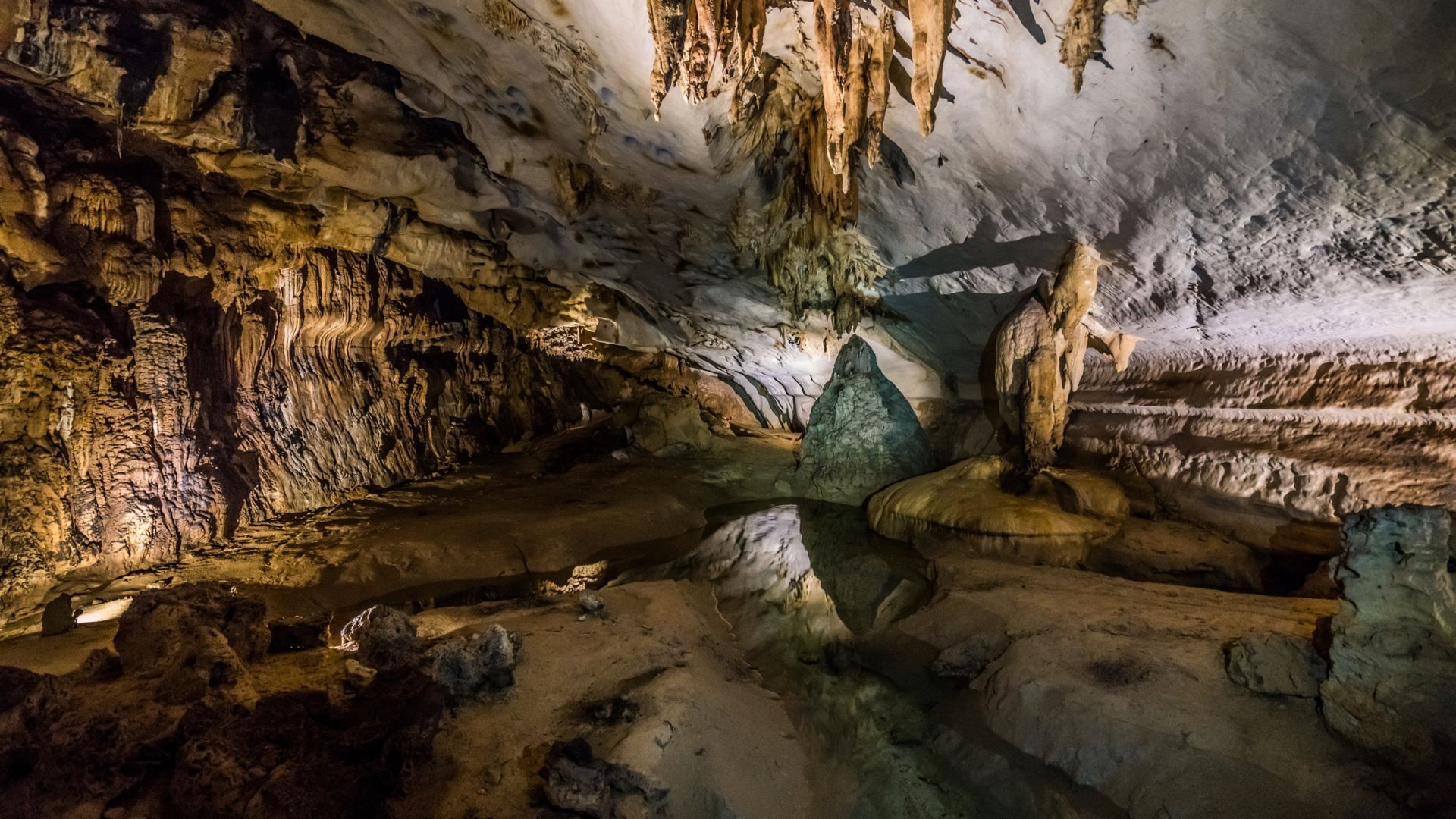
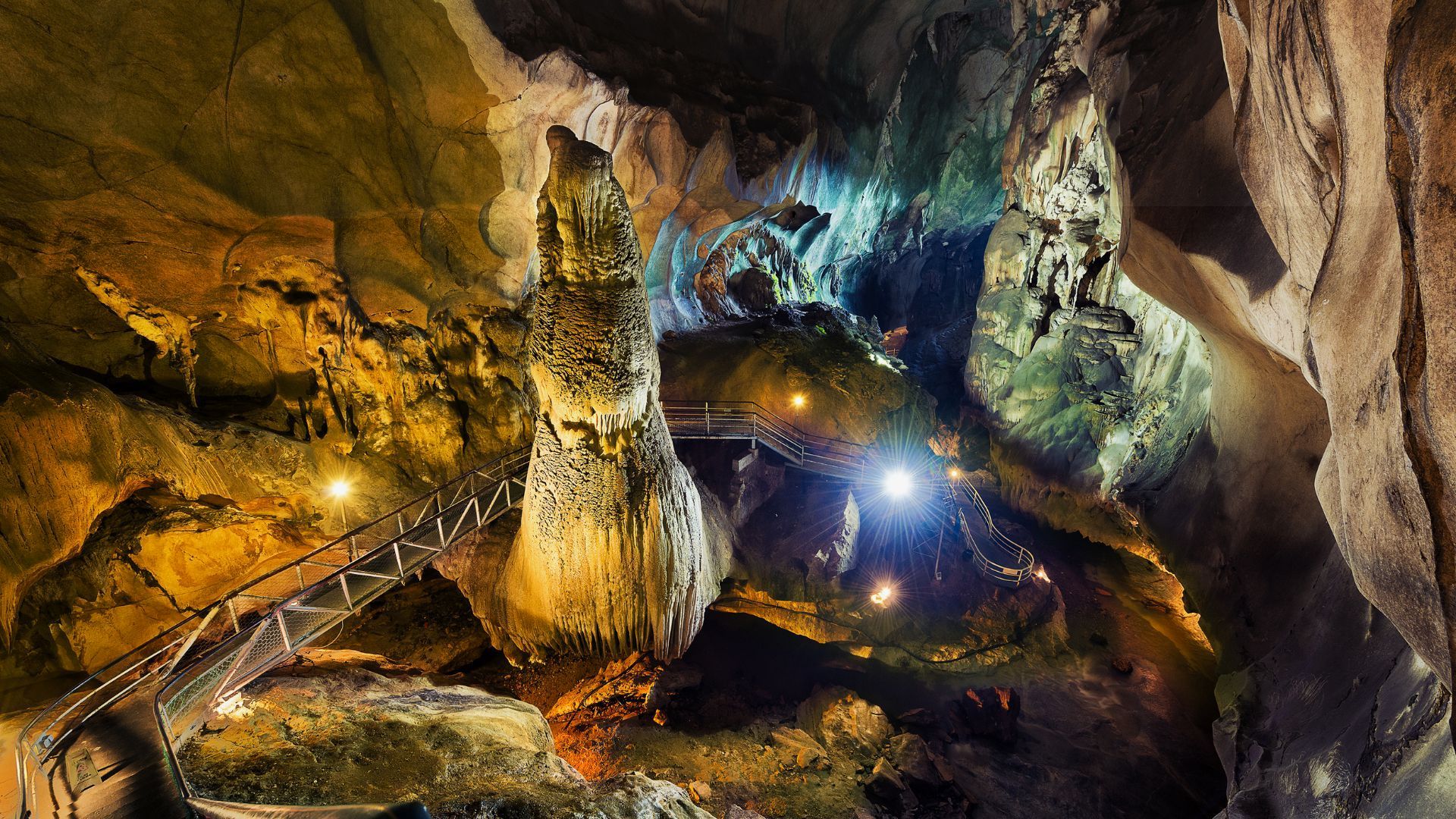
Image credit: ShutterstockThe Gua Tempurung in Perak is one of the longest limestone caves in Peninsular Malaysia. Tucked away in the Kinta Valley Geopark, the cave has five grand domes that resemble coconut shells and showcase a diverse collection of stalagmites and stalactites as well as a 1.6-km-long river. This cave is great for beginners as they have guided tours that allow for easy exploration of this cave.
How to reachBy air: Sultan Azlan Shah Airport is 26 km away.
By road: Ipoh is 38 km away.
Image credit: ShutterstockA tin mine under British rule, this limestone cave in Perlis has transformed into a popular tourist site near Kaki Bukit. It is fairly easy to explore as walkways have been built within the cave, giving easy access to everyone. Visitors can spot the Sungai Perlis River flowing under the walkway. Gua Kelam has surreal rock formations throughout the cave, and the end opens into the Wang Tangga Valley.
Tickets: RM 1 (USD 0.21) is the entrance fee for adults and RM 0.50 (USD 0.11) for children.
How to reachBy air: Sultan Abdul Halim Airport is 80 km away.
By road: The cave is 700 m from the city centre of Kaki Bukit.
Hero and feature image credit: Shutterstock
Related: 12 Stunning Island Resorts In Malaysia To Add To Your Bucket ListFrequently Asked Questions (FAQs)– How many caves are there in Malaysia?
Malaysia has more than 100 caves, with Gunung Mulu National Park being home to some of the most beautiful and iconic ones. Thus, it is one of Malaysia’s UNESCO World Heritage Sites.
– Are the caves in Malaysia open to the public?
Several caves are open to the public. They are usually part of protected areas such as Kinta Valley Geopark, Niah National Park and Gunung Mulu National Park, or pilgrimage sites, like Batu Caves and Perak Tong Cave Temple.
– What are the most popular caves to visit in Malaysia?
The Sarawak Chamber, Clearwater Cave, Niah Caves and Batu Caves are among the most popular ones to visit.
– Are there any special cave activities in Malaysia?
You can explore the caves, swim in them and even camp overnight in some.
– What should I bring when visiting caves in Malaysia?
Although each cave has different requirements, it is best to have sturdy shoes that enable you to comfortably hike and explore.
– Are the caves suitable for children and elderly visitors?
Not all caves are suitable for children and the elderly.
– Can I take photographs inside the caves?
Yes, you can take photographs inside the caves. However, some of them are dark and have low light, which may hinder the taking of clear photographs.
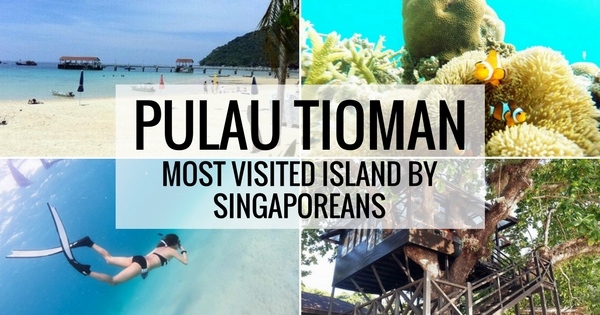
And in today’s post, I’m going to share all about Pulau Tioman as state below:
How To Go To Pulau Tioman
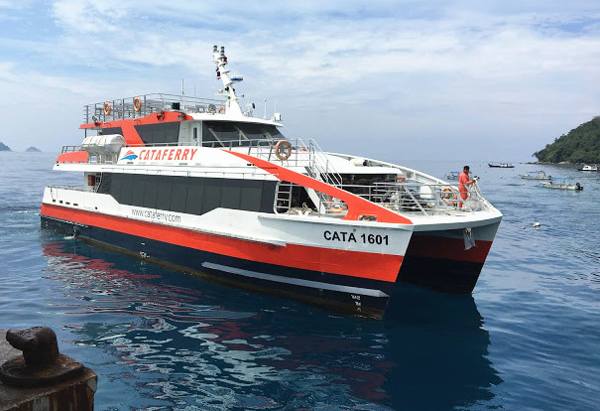
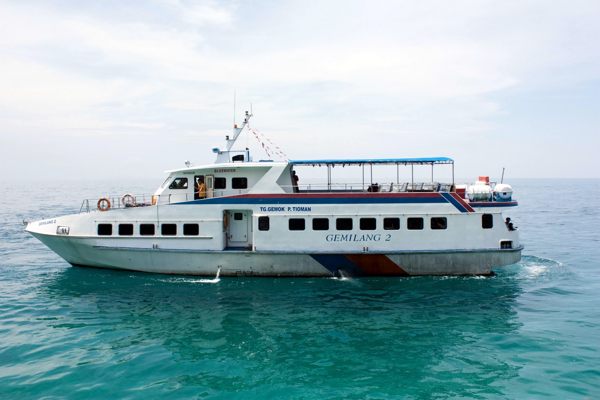
From Mersing jetty, Bluewater Express Tioman & CataFerry offers ferry services to
Kg. Salang
Kg. Genting
Kg. Tekek
Kg. Juara
kg. Mukut
Kg. Paya
in Pulau Tioman. Visitors can seek local boat transfer if they plan to go to other villages.
Public bus and private car services can bring you to Mersing Jetty directly from Singapore. Taking the bus is cheaper and there are only 2 to 3 bus operators offer this route services.
[ad_2]
10 Best Things To Do In Pulau Tioman
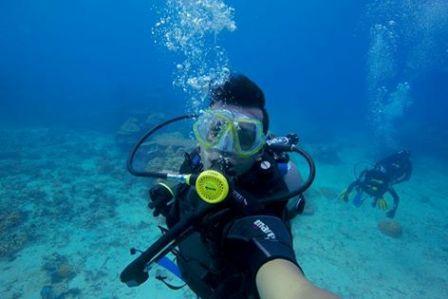
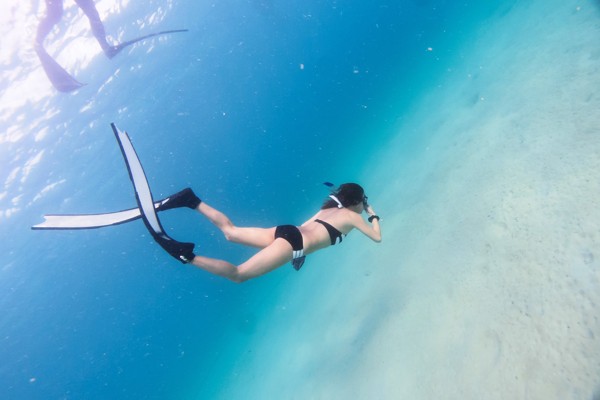
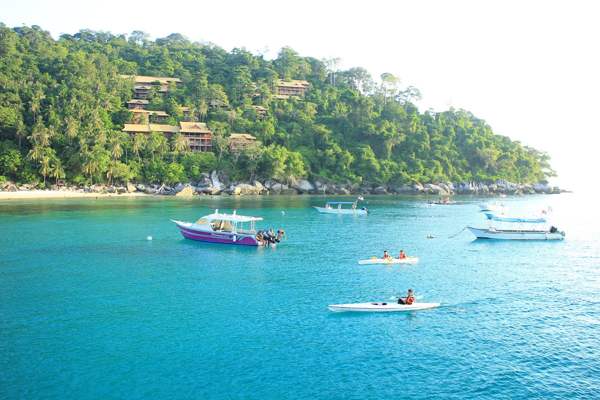
Immerse yourself in this tropical wonderland once you step onto Pulau Tioman. Join any of the scuba diving courses around to explore the ocean.
You can also get a diving license after joining the training courses. Go snorkelling near the shore or a deeper water area. Alternatively, participate in the fishing trips available.
Visit Turtle Hatchery in Juara Village to gain insights into our environment. Go jungle trekking and head off to the Asah Waterfall to get closer to nature.
If possible, bring a telescope for stargazing at night. Once you feel tired, just relax and watch the sunset at any of the beaches.
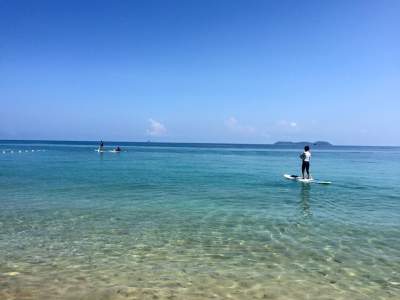
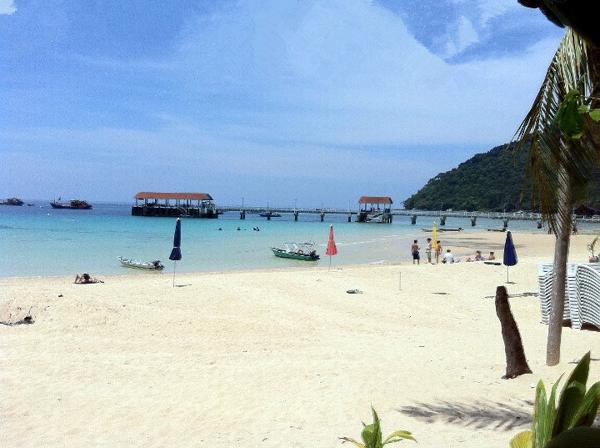
Beaches in Pulau Tioman are elegant and peaceful. The soothing atmosphere in Paya Beach Tioman is ideal for complete relaxation. You may take pleasure in their spas for massages and treatments to refresh your minds.
Food enthusiasts should go to Salang Beach Tioman as restaurants around offer exquisite taste of local and international cuisines as well as wonderful sea views.
Juara Beach Tioman is a peaceful and quiet beach where exhilarating water sports can be enjoyed to the fullest. For nature lovers, spend the time to visit the turtle sanctuary around.
As one of the must-go beaches in Pulau Tioman, Monkey Beach Tioman offers various activities and delicious food where you can find lots of tourists around.
The tropical rainforest nearby adds magical charm to Melina Beach Tioman. It welcomes everyone to explore the diversity of wildlife and marine life here.
Best Restaurants On Pulau Tioman
Restaurants in Pulau Tioman are proud of serving diversity of delightful cuisine. Raise your expectations at the Hijau Restaurant that presents Indian food in a unique way.
If you wish to drink beers, enjoy your meals at Santai Bistro where Malay and western cuisines are served. The island boasts an ABCD Restaurant offering barbecued meals including seafood BBQ.
At Riverside Café, they serve extremely cheap Thai and Malay food that suits budget travellers. Also, dine in Delima Restaurant for finger-licking food with outstanding services.
3 Best Diving Courses In Tioman For Scuba Diving Lovers
1. Tioman Dive Center
Either you’re first-timers or experienced divers, Tioman Dive Center caters to your need by offering courses ranging from beginners to professional one. Guided by PADI certified instructors, safety of students is always their main priority.
The center is situated in Salang village of the island. They charge their diving packages according to a number of dives. Prices increase with increasing number of dives.
Tioman Dive Buddy is located a great distance from Genting Jetty. Nevertheless, its serene environment attracts those who prefer a quiet yet private place.
With their professional instructors, they pride themselves in offering the safest diving courses and some leisure dives. Besides diving courses, the dive centre provides a comprehensive service. They arrange accommodations, meals and even transport for their customers.
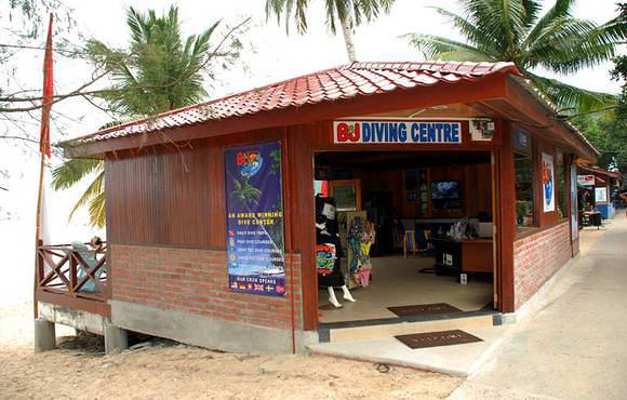
There are two diving schools under the management of B&J Diving Centre. One is them is Salang Bay School located in Salang Village and near to the main diving spots.
For those who prefer quiet places, head off to southern part of Tioman Island for another dive centre. Both of the diving schools offer all available PADI courses and they provide the best diving equipment.
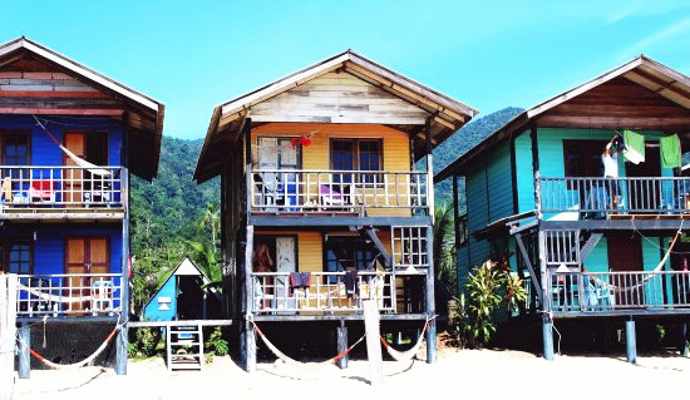
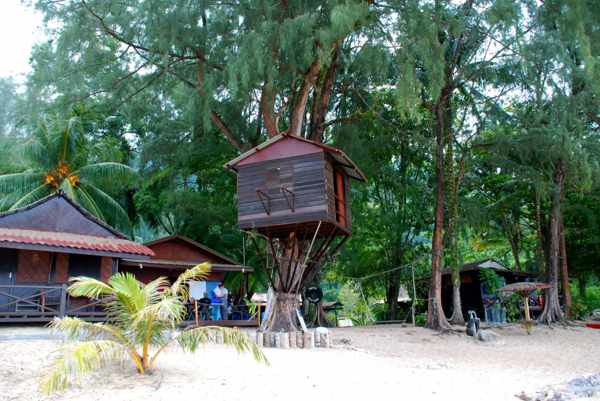
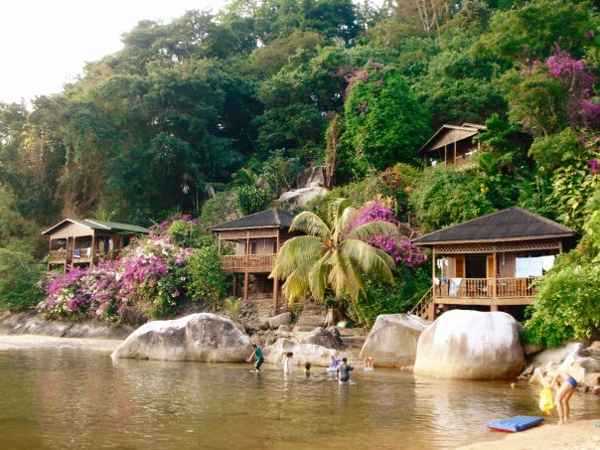
Best Chalets In Pulau Tioman For A Relaxing Vacation
1. Beach Shack Chalet
Beach Shack Chalet is easily accessible and near to Turtle Sanctuary located in Juara Village. Budget travellers can consider here as they offer simple yet elegant chalet at extremely low room rates.
Offering taxi services and airport transfer, the staff aim at making guests feel themselves at home. They also provide a laundry service with additional charges.
Enjoy your meals at the restaurant or coffee shop around the chalet. Guests can also enjoy BBQ dinner as comprehensive BBQ facilities are provided.
2. Juara Mutiara Resort Chalet
Strategically located right in the center of Juara Village, Juara Mutiara Resort Chalet requires only 20 minutes to arrive at the airport.
Featuring comfortable rooms ranging from twin rooms to quad rooms, all of them come with modern facilities and amenities. Cleaning services such as daily housekeeping and dry cleaning are offered here.
Besides participating in water sports, guests can also enjoy playing dart board and singing karaoke during their stay. Or, watch the latest movie at their TV area (shared lounge) with your dear ones.
3. Swiss Cottage Chalet Tioman
This is the leading cottage chalet in Pulau Tioman located near Tekek Village. The charm of Swiss Cottage Chalet is that they offer beachfront accommodations with fabulous sea views and this building blends perfectly into the nature of Tioman Island.
They offer different low-cost chalets that include terrace rooms, beachfront chalets, and beachfront bungalows. All these accommodations have beautiful furnishings to ensure a pleasant stay.
4. Bayu Tioman Beach
Nestled privately in Genting Village, Bayu Tioman Beach requires a 10-minute walk from jetty and you can take in the picturesque surrounding along the journey. All the chalets are made from timber so that it merges with nature.
The resort features a private beach where guests can enjoy sunbathing, fishing and water sports without disturbing by other visitors. After all day long activities, enjoy delicious meals at their restaurant that serves Malay, Chinese and Western cuisines.
5. Bamboo Hill Tioman
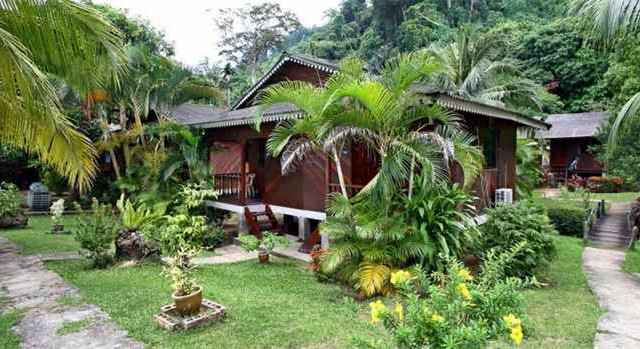
All the Bamboo Hill Tioman is built in traditional Malay style by using varnished wood. The chalets offer a private veranda to enjoy the beautiful scenery. Inside, it comes with private bathroom, tea making facilities and attached mosquito net.
Featuring a library, guests can prefer reading books when the weather is bad for water sports. When you’re tired of reading and hungry, simply head off to their ABC’s and Nazri’s restaurant for delightful meals in a cosy ambiance.
Tioman Island Resort
Tioman Island boasts many elegant resorts that provide utmost comfort in nature. The most recommended resort with the most positive feedback is Berjaya Tioman Resort that offers outstanding customer services.
Located at the hilltop, Island Reef Resort offers wonderful views over the sea and the bay. For budget travelers, you can consider staying in Tioman Paya Resort, Juara Beach Resort, and Tioman Dive Resort.
For a cosy and warm environment, opt for Sun Beach Resort that offers rooms at reasonable prices. Melina Beach Resort and Japamala Resort offer private beach that suitable for those who seek for privacy and tranquillity.
Pulau Tioman is influenced by monsoon season that causes high tides. The season falls from October to February so avoid visiting Pulau Tioman these few months.
Pulau Tioman welcomes visitors from March to September and the best weather falls in June and July.
2 Routes For Ferry To Pulau Tioman
Option 1: Mersing To Pulau Tioman
Mersing offers cheap ferry ride to Pulau Tioman with the fare ranges from as low as RM50.
CataFerry and Bluewater Express Ferry offer the most reliable ferry to Tioman services.
The trip takes about 1.5 hours to 2 hours. There are at least three round trips per day but the schedules are all dependent on the tidal conditions.
Calling out ALL Shopaholics who just couldn’t resist that particular favorite item beckoning you to purchase it.
Well, other than so many things to do in Johor Bahru, resist no more as now you have more reason and choice to go on a shopping spree in Johor Bahru!
Internationally known as Johor Bahru (JB), is the capital state of Johor, Malaysia, which can be accessed directly via Johor-Singapore Causeway.
Known as a shopper’s haven, it is home to collections of unique and comprehensive shopping malls.
These market-leading malls are remarkably huge and they managed to cater to a wide range of needs for shopping lovers.
Here is a list of 12 shopping malls situated around Legoland Malaysia. Go dish out your credit cards and indulge yourself!
12 Shopping Mall In Johor Bahru (JB) Near Legoland Malaysia
Except for finding a restaurant near Legoland Malaysia, or wondering what is the best things to do near Legoland Malaysia, you can always go shopping near Legoland Malaysia. That actually can save your day. While your kids are madly in love with Legoland Water & Theme Park, you can enjoy shopping!
Here is JB shopping mall list near Legoland Malaysia:
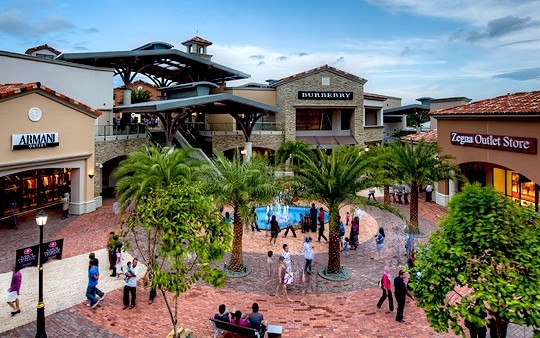
1. Johor Premium Outlets
As you can see, this perfect outlet is just 27.7km away from Legoland Malaysia (approximately 15 minutes by car). You can find 130 outlet stores there, including such brands, as:
Address: Jalan Premium Outlets, Indahpura, 81000 Kulaijaya, Johor Darul Takzim Opening Hours: Daily: 10:00am – 10:00pm Contact: +607-661 8888
There are always plenty of sales, center activities and in-store promotions in Johor Premium Outlet. Plus the possibility to become a VIP member or book a group tour, where you will receive free VIP Coupon Books upon arrival (if there is a group of 15 people and more).
If you are planning to stay more then one day there, you can stay one of these hotels or resort near JPO:
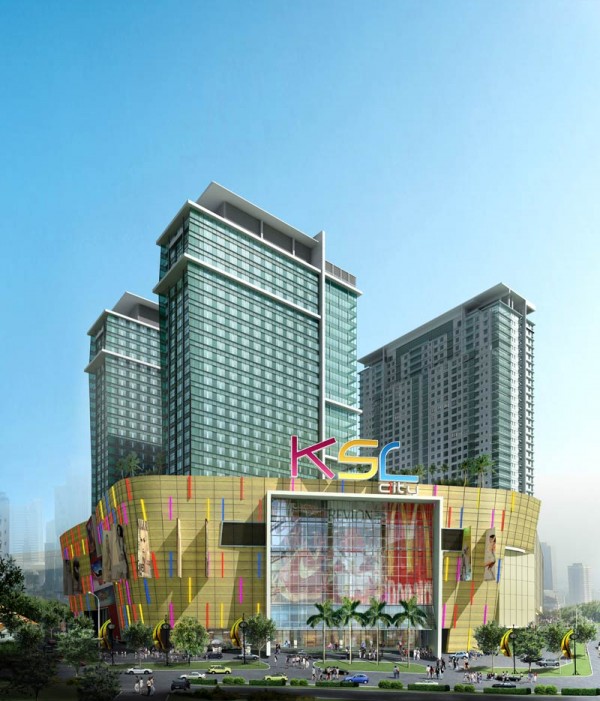
KSL Shopping Mall is an integrated shopping mall with the hotel in Johor Bahru with 500 retail outlets, 868 hotel rooms, 602 condominium and 2800 car parks.
eat good food (KFC, Subway, Old Town White Coffee are there);
stay in perfectly accommodated rooms;
actually shopping
Just take a bus from City Square and you be there in about 20 mins. The place is best famous for big variety of delicious food, a lot of famous brands and the fact, that it is a good place for Singaporean to buy the same items that are in Singapore, but cheaper.
Address: 33, Jalan Seladang | Taman Abad, 80250 Johor Bahru, Malaysia. Opening Hours: Daily: 10:00am – 10:00pm Contact: +607-288 2888
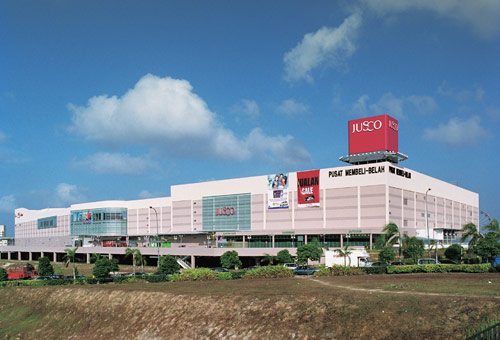
3. AEON Mall Bukit Indah
AEON Bukit Indah Shopping Centre is a shopping mall in the fast-expanding township of Bukit Indah in Johor, Malaysia. It was opened in December 2008.
AEON supermarket and the department store has a very good selection;
parking is very cheap and affordable;
many restaurants;
an easy ~10km drive after crossing the Malaysian custom at the 2nd link;
the mall has 188 shops over three levels and an area of 950,000 sq ft.;
very clean area and good maintained toilets;
moreover, is the closest shopping place to Legoland Malaysia.
Address: Grand Mezzanine, 8, Jalan Indah 15/2, Taman Bukit Indah, 81200 Johor Bahru, Johor, Malaysia Opening Hours: Sunday to Thursday: 10.00am – 10.00pm Friday to Saturday: 10.00am – 10.30pm Contact: 1-300-80-AEON(2366)
4. AEON Mall Bandar Dato’ Onn
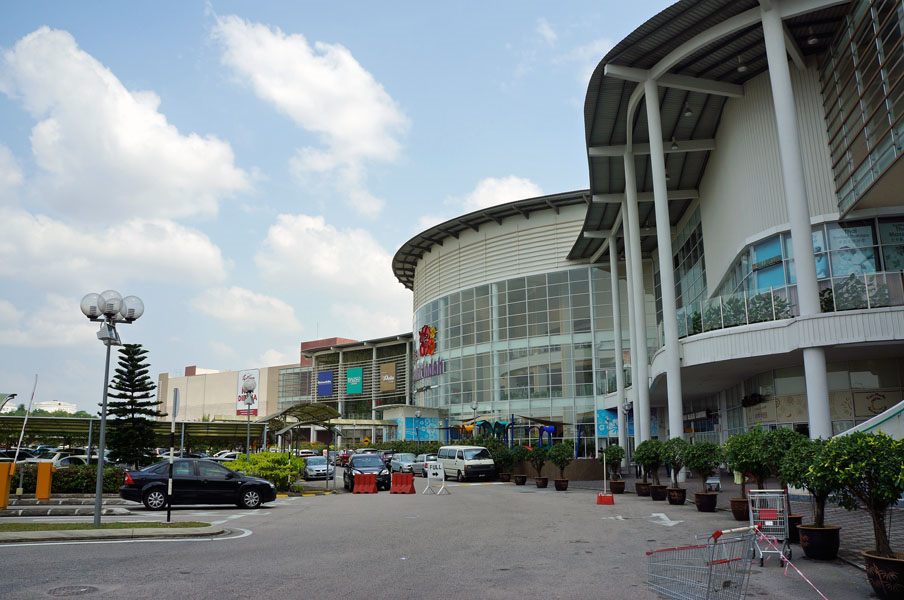
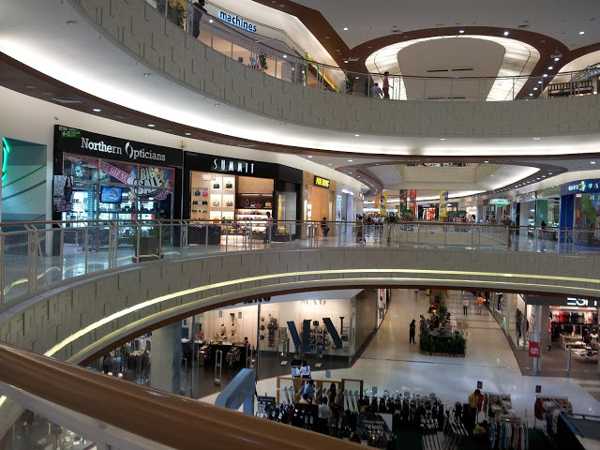
Run in the concept of “Maximum value”, Aeon Mall Bandar Dato’ Onn is a large-scale new shopping mall in Johor Bahru with 3 retail floors and 2 floors of car park.
It sets over 20.93 acres and is operated by Aeon Co (M) Bhd (Malaysia’s largest department store/supermarket). There is a network of links that connect directly to the township, making it highly accessible to customers.
Elegantly designed with wide selections of retailers, the mall has turned Bandar Dato’ Onn into a modern and vivid township in Johor. Lots of products such as daily necessities, fashion products, food and drinks are sold at affordable prices to sustain the lives of residents here.
The mall emphasizes on the concept of Go Green to complement the fast and busy lifestyles in town. It tries it best to create a nature area in town to provide tranquillity and relaxation.
As green areas in town are expanding, the pollution in town will be reduced. Therefore, quality of lives of residents will be increased gradually.
Why is Aeon Mall Bandar Dato’ Onn worth visiting?
Provides nature-like relaxation
Highly connected to other township
Great deals are offered
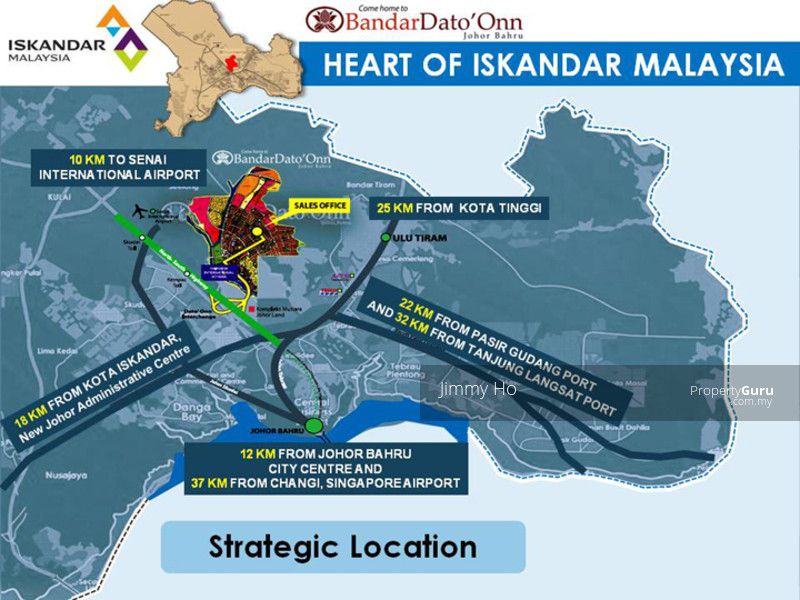
Bandar Dato’ Onn is considered to be a jewel of Malaysia and it will spread over 1,514 acres of freehold land. Bandar is located only a few kilometers from the Johor city center.
This development has been thoroughly planned as a self-contained city where a total population in excess of 90,000 can be comfortably accommodated and a place where they can call home. Among its notable features include:
Its location that is highly accessible because it has a network of interchanges which provide direct and continuous access to the township.
About 19 neighborhoods which will be extensively planned for in order to provide the best aspects of communal living.
A 118-acre area that will be reserved for a commercial center which will act as a hub spot to the local community.
Emphasis is also placed on the concept of green areas and recreational parks. These are areas that will complement the busy city kind of life with the tranquility provided by nature as a form of relaxation and rejuvenation.
Apart from this, the green areas and parks will transform Bandar Dato Onn into one of the most beautiful and attractive modern township to be found in southern Malaysia and a place where one can call home.
Address: 3, Jalan Dato Onn 3, Bandar Dato Onn, 81100 Johor Bahru, Johor, Malaysia Contact: +607-350 8432
5. AEON Mall Tebrau City
When you see a long beige building with a big AEON sign, you’re at the right place. AEON Tebrau City can be accessed from JB Sentral. It’s a great place to fill your weekend and you’ll find yourself fully immersed in the relaxing ambience here.
The ground floor features AEON grocery store which is the consumers’ favourite grocery store in JB. Besides, wide array of retail selections are offered such as G2000, Esprit, Giordano, to name a few. Tired of shopping?
Enjoy a movie at TGV Cinema with their delightful popcorns. You’ll totally be indulged in the movie as the seats are too comfortable.
Photo credits: loveanqila.blogspot.my
The mall has what you’re craving. Sushi, western cuisines, local cuisines, Korean food and many more can be savoured under the roof. You’ll never go hungry and thirsty while shopping here. Bookworms tend to visit Harris’ more often than anyone else.
Why is Aeon Tebrau City worth visiting?
Great deals during festival occasions.
AEON supermarket offers fine selection of vegetables and fruits.
Many restaurants that serve delicious food.
Address: Aeon Tebrau City Shopping Centre, 1, Jalan Desa Tebrau, 81100 Johor Bahru, Malaysia Contact: +607 – 352 2220 Opening Hours: Sunday to Thursday: 10.00am – 10.00pm Friday to Saturday: 10.00am – 11.00pm
6. City Square Johor
Near to the causeway link, City Square Johor in town is a popular haunt for people from northern Singapore. It’s accessed directly to JB Sentral via a pedestrian bridge. With a total of 150 stores and brands outlets and over 50 food outlets, it guarantees a satisfying shopping experience for shopping goers.
Good news for Singaporeans is that the prices of goodies here are far cheaper than Singapore. Even the Cathay cinema here offers cheap tickets. Every month, different stores come with many exclusive promotions to give thanks to their customers. Cheap, comfortable and clean has made this mall worth shopping.
Enjoy exceptional services such as car wash, restorative service, money changer, photo processing and ATM in City Square Johor. Shops for beauty and wellness such as hair salon, health care, beauty center and pharmacy are available. There is also karaoke and games arcade for entertainment.
Why is JB City Square shopping mall worth visiting?
Located in the heart of Johor, easy access to nearby tourist destination
Things are cheap and affordable
Three-floors basement car park
Connected to Johor CIQ complex and just few minutes walk from Johor Custom
Address: Johdaya Karya Sdn Bhd, Lot J3-12A, Level 3, Johor Bahru City Square Shopping Mall, 106 – 108 Jalan Wong Ah Fook, 80000 Johor Bahru, Contact: +607 – 226 3668 Opening Hours: Daily: 10:00am – 10:00pm
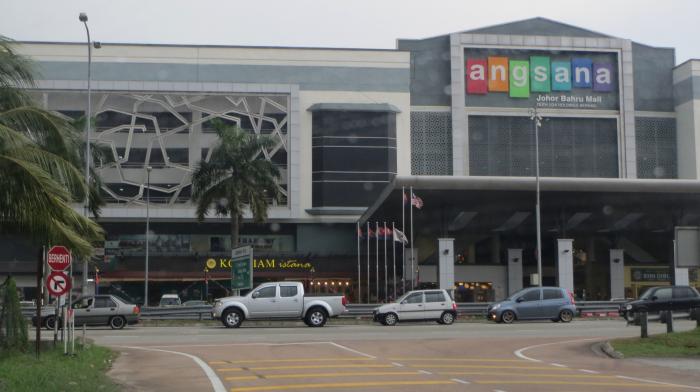
7. Plaza Angsana
The weekend is going to be huge for families! Strategically located along Jalan Tampoi, Plaza Angsana requires only 15 minutes’ drive from Johor Bahru City Centre. It features 5 levels with over 238 outlets to serve a large customer base.
Whether you’re looking for leisure, gourmet center, shopping or entertainment, Plaza Angsana has all of it. For shopping, the mall offers international brands as well as local brands. Latest closet, jewellery and bags can be found all over the malls.
Wide array of food and beverage are well-served here. It comes with two food courts serving dishes ranging from local cuisines to international cuisines.
Apart from that, the mall provides wheelchairs for disabled and amusement center for children. Bowling and karaoke can also be enjoyed here. Gift wrapping service is available at UO super store service counter.
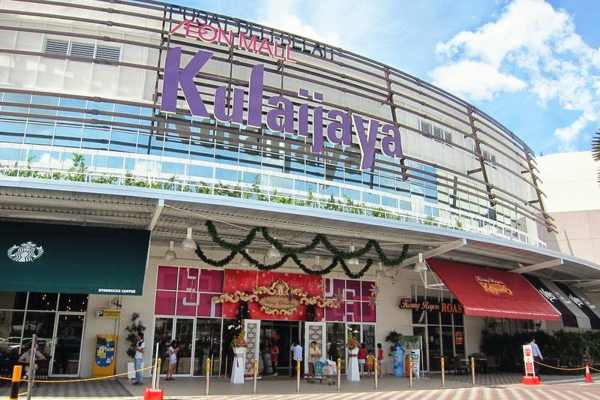
Johor Bahru, one of the busiest city in Malaysia, boasts a regional shopping mall, AEON Mall Kulaijaya. Approximately 10km from Senai International Airport, it draws customer base from airport and nearby residential area. It’s also one of the favourite destinations for families and groups of friends.
Anchored by Summit, Heatwave, The Face Shop, Daiso, De’ Touch Beauty Care, the mall offers variety of retail services and products. Women who like grocery shopping shouldn’t miss out Aeon Supermarket located at ground floor. Here you can find whatever ingredients and food you want and the prices are cheap and affordable.
The excitement keeps on going with restaurants and food courts serving delightful dishes ranging from noodles, dim sum, fried rice to many other western dishes.
TGV Cinema is the feature of the mall. Book the cheap cinema tickets online and you get to enjoy all the latest releases in Aeon Kulaijaya.
Why is Aeon Kulajijaya mall worth visiting?
Free Wi-Fi available at the entire mall
Short queue in supermarket as compared to other AEON mall
Less crowded if compare with other shopping malls
Address: PTD 106273, Persiaran Indahpura Utama, Bandar Indahpura, 81000 Kulaijaya, Johor AEON Careline: 1-300-80-AEON(2366) Opening Hours: Sunday to Thursday: 10.00am – 10.00pm Friday to Saturday: 10.00am – 10.30pm
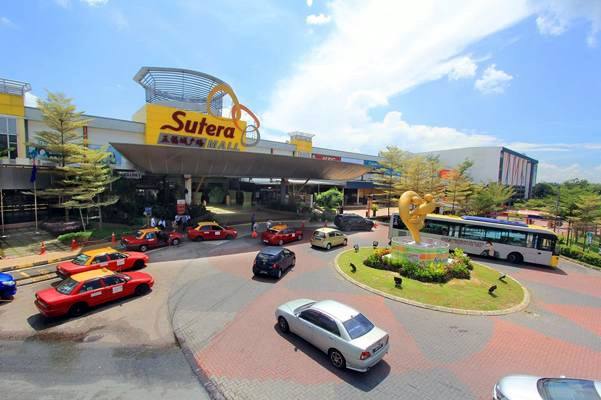
9. Sutera Mall
Spread over 677,000 square ft, Sutera Mall continues to be a popular destination for the fast growing residential communities of Taman Sutera Utama. Renovation completed in November 2011 has brought fresher look to the mall, creating an ambience that suits different festivals.
Open 365 days of the year, Sutera Mall features retailers like RSH, Fabiano Ricco, C&Y, Whoosh, Playboy, Yamaha and many popular brands. For customers interested in latest fashion trends, visit Trendy Zone located at level 2. You’ll find unlimited fashion products here.
Photo credits: suteramall.com
After shopping for the whole day, take a rest in any of the food and beverage outlets offered. Over 57 outlets options are available to cater to different customers need.
Take pleasure in the My Library in Sutera Mall. Aimed to improve the quality of lives of people, it is dedicated to serve and provide information and services for all.
Why is Sutera Mall worth visiting?
Boasts a unique setting, Sutera Walk equipped with colourful LED lightning.
Get to enjoy wonderful performances at Open Air Amphitheatre.
Full-stocked supermarket at all time.
Entertainment city is offered to provide complete shopping experience.
Very near to Legoland Malaysia
Address: 1, Jalan Sutera Tanjung 8/4, Taman Sutera Utama, 81300, Skudai, Johor, Malaysia. Contact: +607 – 558 9009 Opening Hours: 10:30am – 10:30pm
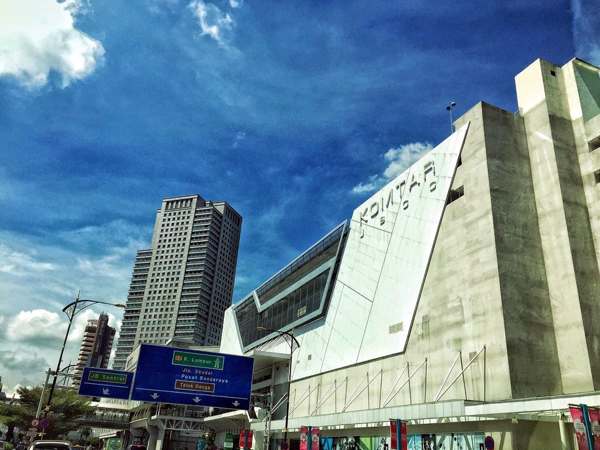
10. Komtar JBCC Mall
This is the youngest and the most fashionable place for shopping in Johor. JBCC Mall was officially launched only in November, 2014. The Johor Bahru City Centre [JBCC] is set to become the premiere destination for shopping, entertainment, and imaginative development not only in Southeast Asia, but in the whole world.
The new mall replaced a 35-year old complex and fully open to public less than for a year now. But nevertheless, many Popular Retailers Have Already Committed To Komtar JBCC and there you can find such brand stores, as:
Chanel Cosmetic;
Victoria’s Secret;
Sephora;
Swarovski;
Tumi;
Dr Martens;
Bath&Body Works and many others.
With the latest trends on display and entertainment, Komtar JBCC aims to inspire everyone by providing a new way to engage people every day. Smart, savvy, and delightful, this location is perfect for Sunday shopping, holidays and family trips.
There are diverse needs that must be met in the modern shopping experience. It must be entertaining, affordable, and yet still provide a comfortable experience.
For that reason, an emphasis on providing international luxury brands the opportunity to reinvigorate Johor Bahru has been Komtar JBCC’s primary focus.
The Komtar JBCC, a luxury shopping mall that will be compromised by two office towers, hotel and its retail, dining and entertainment area, is the big hit in the Johor market and a long-expected travel destination for many people. The RM1.5 billion project not only aims to rejuvenate business flow in the Johor Bahru district but also it is the great landmark of the heart of the city center.
Address: Johor Bahru City Centre, 80000 Johor Bahru, Malaysia. Opening Hours: Daily: 10:00am – 10:00pm Contact: +607-267 9900
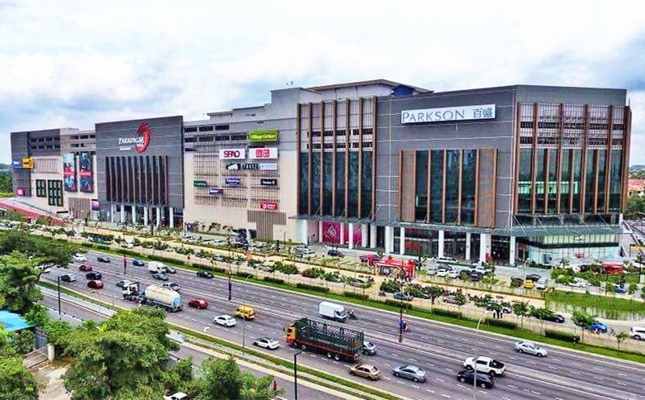
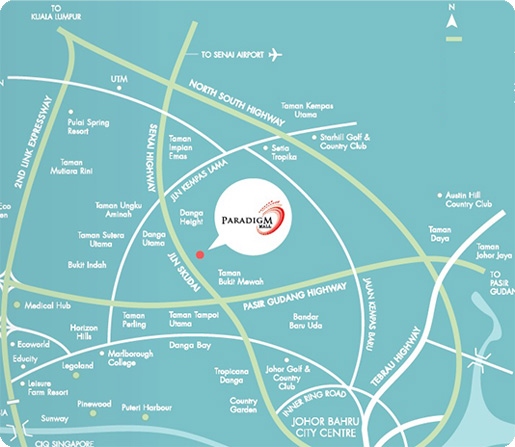
11. Paradigm Mall JB
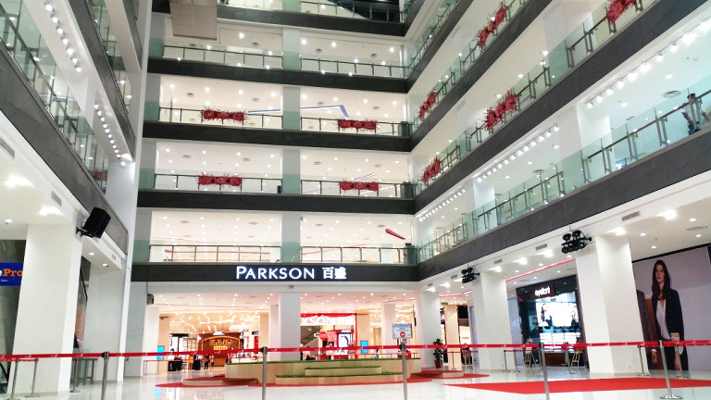
Paradigm Mall JB is a well-established regional shopping mall featuring over 600 shops spreading over 6 floors. It comes with a very modern and exquisite with a 4-star hotel and an ultra-modern 263 unit service apartment. Besides that, it is also JB new shopping mall.
It is located in a 13-acre portion of land and the latest city landmark in Johor. Benefits from JB city center, it offers easy access for residents from Johor. With only 20 minutes’ drive from Singapore, you’ll arrive at this splendid mall. It’s believed that the development of Paradigm Mall is able to boost Malaysia’s tourism internationally.
The mall features a high quality gourmet supermarket offering only excellent gourmet food and daily necessities. Renowned restaurants and food outlets are offered to serve the best local and international delicacies to customers. Besides, varieties of market retailers are offered to provide a comprehensive shopping experience.
The largest ice-skating rink in Johor, with over 20,000 sq ft is now made available in Paradigm Mall JB. It also features the biggest indoor rocknasium which is also the first one in Johor. The mall has made a great effort to provide as much entertainments as they could offer under the sole roof.
The setup applies a very unique retail concept that offers an opportunity for one to experience localized shopping at its best. That is not all because customers are also treated to a variety of feature including:
1.) A variety of family entertainment activities that are found in the one stop shop concept. This is a feature which is meant to benefit everyone including visitors and locals alike.
2.) A mixture of fashion lifestyles which are international in nature, specialty stores, popular restaurants, department stores, the largest indoors ice skating rink, family karaoke, a gourmet supermarket including the largest multiplex and much more.
3.) Offers different and original retail platform for all and is located in an ideal location in their need to expand and establish their footprints in the finest mall that this southern cosmopolitan has yet to experience.
This particular shopping mall is big with many retail possibilities and is easily accessible as it is about 10 minutes drive from Johor city centre and about 20 minutes from Legoland Malaysia, Iskandar Puteri (Nusajaya) and Sanrio Hello Kitty Town which are prime locations in Johor Bahru.
Why is Paradigm Mall JB worth visiting?
First and largest regional shopping mall in JB
First indoor rocknasium in Johor
Largest infoor ice-skating ring in Johor
Near to major tourist destination such as Legoland
Largest cinema in Johor Bahru
Address: 76, Jalan Mewah Ria 2/2, Taman Bukit Mewah, 81200 Johor Bahru, Johor, Malaysia. Contact: +603–7728 4773 / +603–7728 5773 Email:[email protected]
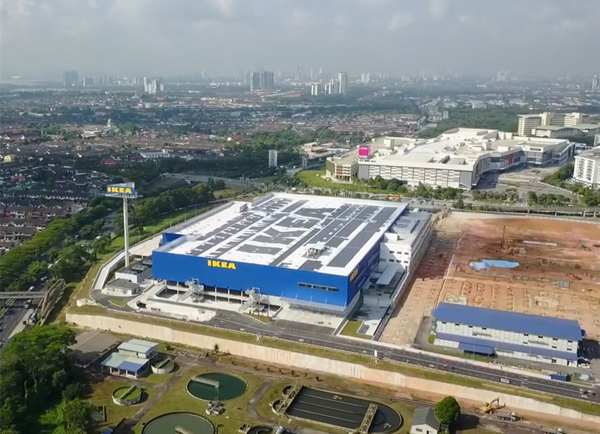
12. IKEA Tebrau Johor Bahru
IKEA is opened a new store in Johor Bahru (called IKEA Tebrau) on 16 November 2017 which will be located near Jalan Desa Tebrau and will be the first store in the southern region of Malaysia. It’s the largest IKEA store in South-East Asia.
The recruitment process for staff is ongoing. This is part of IKEA’s ambitious program to expand into Southeast Asia and the provision of affordable, functional and well designed Swedish home furnishings.
IKEA is well renowned for offering well-designed home furnishing and functional solutions at prices which are fair and are easily affordable.
It has well-focused customer oriented policies which incorporate services and activities that benefit the society. IKEA is fully owned and operated by Ikano Private limited. Its product variety is wide in a number of ways.
First, is its functionality where you’ll find everything you need for your home, be they plants and living-room furnishings or toys and whole kitchens.
Second is its vastness in style. And finally, is the combination of the two. Their range of products is wide in function and style at all times.
IKEA is an international company with many years of experience and will bring their experience to Johor to improve the lifestyles of the locals who will be exposed to international standards of products at a price that is affordable to a majority of the population.
The company will also create more job opportunities in the local area and thus contribute to the general development of the area.
How To Get To Shopping Mall Near Legoland Malaysia
Shopping malls in JB are interconnected by roads. Thus, car will be the best option to take you to the malls.
SGMYTAXI is now offering the most convenient and comfortable way to get to shopping malls in JB from Singapore. The private car services provided are excellent and highly rated in Singapore.
Experienced local drivers who are familiar with all the routes in Johor will bring you to and fro from the place you have quoted.
Reserve the car online and enjoy yourself throughout the ride.
[…] the multicultural nature of Johor Bahru that the street epitomises. Visit the Johor Chinese Ancient Temple, Gurdwara Sikh Temple and the Arulmigu Rajamariamman Devasthanam Temple which are all located along […]














1 Comment
[…] the multicultural nature of Johor Bahru that the street epitomises. Visit the Johor Chinese Ancient Temple, Gurdwara Sikh Temple and the Arulmigu Rajamariamman Devasthanam Temple which are all located along […]